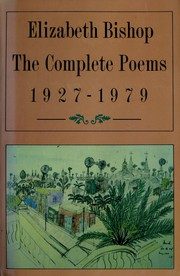
The Complete Poems 1927-1979
- Pages
- 287
- ISBN
- 9780374518172
- Published
- 1980
Description
Elizabeth Bishop was vehement about her art--a perfectionist who didn't want to be seen as a "Woman poet." In 1977, two years before her death she wrote, "Art is art and to separate writings, paintings, musical compositi...
Be the first to add this book to your shelf
Find a copy of The Complete Poems 1927-1979
Search Amazon for new, used, or digital editions.
Search Amazon
Search Amazon for new, used, or digital editions.
Quotes
(0)
Sign in to add a quote
No quotes yet. Be the first to add one!
Track this book on PorchReads — free
Add it to your shelf, rate it, write a review, and earn reading achievements. Takes 30 seconds.
Track your shelves
Rate & review
Save quotes
Earn achievements
Community Reviews
(0)
Sign In to Review
✍️
Be the first to review this book
Share your thoughts and help other readers discover whether this is worth their time.
Join Free to Review
Readers Also Tracked



Other Readers
No other readers yet.