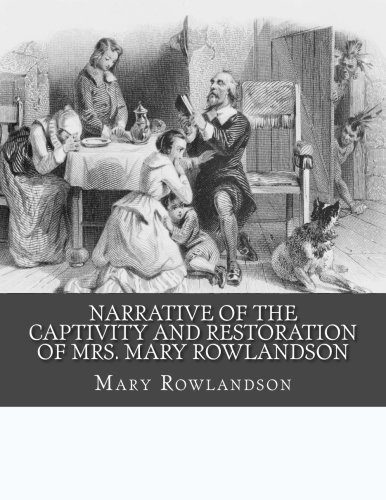
Narrative of the Captivity and Restoration of Mrs. Mary Rowlandson
by Mary Rowlandson
Rating
LanguageEN
ISBN
9781517601782
Description
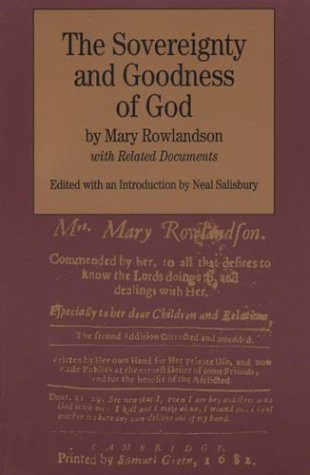
"THE FIRST AMERICAN BESTSELLER"Mary Rowlandson, a colonial American captured during King Philip's War and held for 11 weeks before being ransomed, wrote of her ordeal in The Sovereignty and Goodness of God: Being a Narra..."THE FIRST AMERICAN BESTSELLER"Mary Rowlandson, a colonial American captured during King Philip's War and held for 11 weeks before being ransomed, wrote of her ordeal in The Sovereignty and Goodness of God: Being a Narrative of the Captivity and Restoration of Mrs. Mary Rowlandson. Rowlandson and her children were forced to accompany the Indians as they travelled through the wilderness to carry out other raids on colonists and fight the English militia. The severe conditions are recounted in visceral detail. Following her ransom, Rowlandson is thought to have composed a private narrative of her captivity recounting the stages of her odyssey in twenty distinct "Removes" or journeys. The text of her narrative is replete with verses and references describing conditions similar to her own, and have fueled much speculation regarding the influence of Increase Mather in the production of the text.The tensions between colonists and Native Americans, particularly in the aftermath of King Philip's War, were a source of anxiety in the colonies. While in fear of losing connection to their own culture and society, Puritan colonists were curious about the experience of one who had lived among Native people as a captive and returned to colonial society. The publication of Rowlandson's captivity narrative earned the colonist an important place in the history of American literature. A Narrative of the Captivity and Restoration of Mrs. Mary Rowlandson is among the most frequently cited examples of a captivity narrative and is often viewed as an archetypal model. This important American literary genre functioned as a source of information for eighteenth and nineteenth-century writers James Fenimore Cooper, Ann Bleecker, John Williams, and James Seaver, in their portrayals of colonial history. Because of Rowlandson's encounter with her Indian captors, her narrative is also interesting for its treatment of intercultural contact. Finally, in its use of autobiography, Biblical typology, a