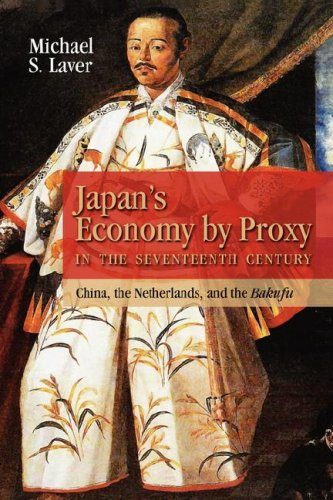
Japan's Economy by Proxy in the Seventeenth Century: China the Netherlands, and the Bakufu
- ISBN
- 9781604975000
Description
Although Japan had severely curtailed its political involvement with the wider world in the seventeenth century, the Japanese economic influence on Asia remained quite pronounced. Even when the Japanese government expell...
Be the first to add this book to your shelf
Find a copy of Japan's Economy by Proxy in the Seventee
Search Amazon for new, used, or digital editions.
Search Amazon
Search Amazon for new, used, or digital editions.
Quotes
(0)
Sign in to add a quote
No quotes yet. Be the first to add one!
Track this book on PorchReads — free
Add it to your shelf, rate it, write a review, and earn reading achievements. Takes 30 seconds.
Track your shelves
Rate & review
Save quotes
Earn achievements
Community Reviews
(0)
Sign In to Review
✍️
Be the first to review this book
Share your thoughts and help other readers discover whether this is worth their time.
Join Free to Review
Readers Also Tracked





Other Readers
No other readers yet.